Tag Archives: Timeline

TIMELINE January 1917

TIMELINE January 1917

Monday, 1 January 1917

Private James MCKEOWN (45th Battalion) was evacuated to England sick with bronchitis.

Sunday, 2 January 1916

Private James MCKEOWN (45th Battalion) was admitted to the Lewisham Military Hospital in England with bronchitis after evacuation from France.

Thursday, 4 January 1917

James MAHER (13th Battalion) was promoted to Lance Corporal.

James Maher, 1915 (Photograph courtesy of L. Leo)

James Maher, 1915 (Photograph courtesy of L. Leo)

Saturday, 6 January 1917

Private George Arthur FAWBERT was discharged due to defective vision at Liverpool Camp.

Tuesday, 9 January 1917

Privates Percy Edward BLACKWOOD  and  Patrick Joseph O’LOUGHLIN (O’LOUGHLEN) (both  reinforcements for the 3rd Battalion )arrived at Devonport in England on the HMAT A24 Benalla.

Private Richard John CROCKER  (reinforcement for the 60th Battalion) arrived on the HMAT Afric at Plymouth in England.

Wednesday, 10 January 1917

Private John Thomas SMITH (4th Pioneer Battalion) was wounded in action with a gunshot wound to the stomach, while working on a railway line near Longueval in France.

2nd Lieutenant Harry DAVENPORT (aka Harry SWENDSON) (reinforcement for the 4th Infantry Battalion) arrived at Devonport on the SS Port Nicholson.
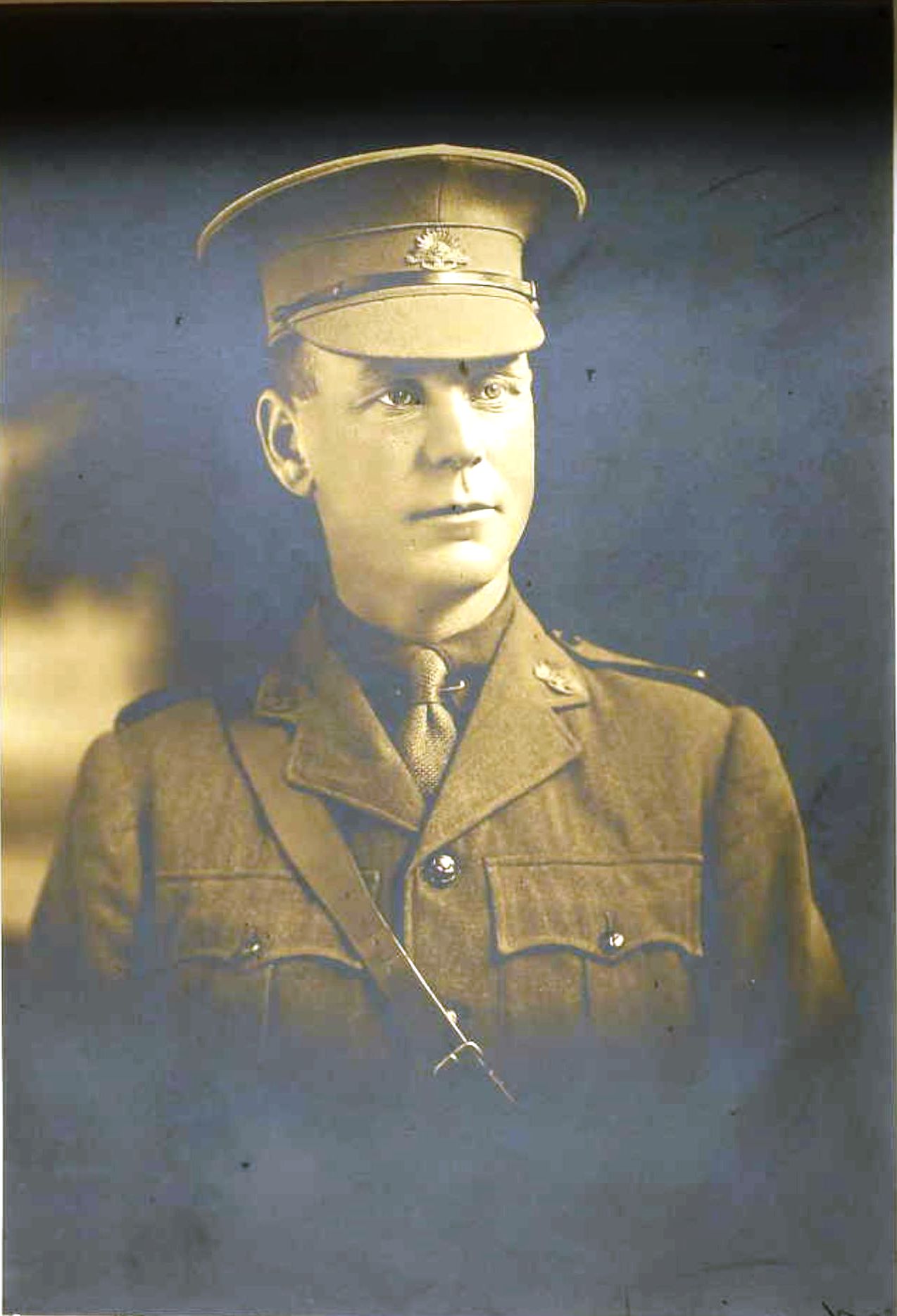
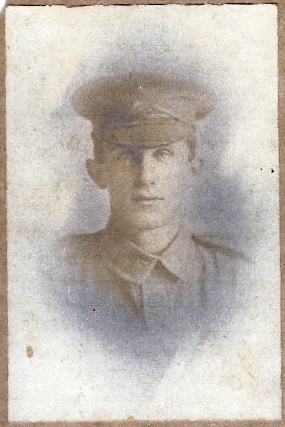
Harry Davenport (Photograph courtesy of Dave Murray)

Harry Davenport (Photograph courtesy of Dave Murray)

2nd Lieutenant John Robert LEE (reinforcement for the 24th Battalion) arrived in England on the HMAT A8 Argyllshire.
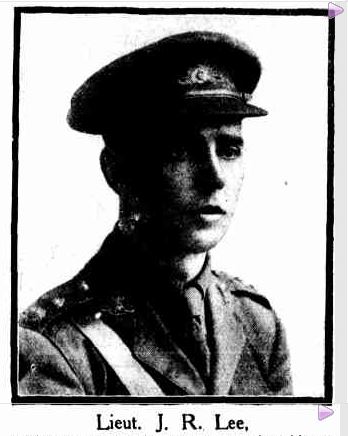
Lieutenant J. R. Lee (Sydney Mail, 3/3/1920)

Lieutenant J. R. Lee (Sydney Mail, 3/3/1920)

Private Joseph William EDWARDS (reinforcement for the 3rd Battalion) and Private Henry NEIRHOFF (reinforcement for the 13th Battalion) arrived in Devonport aboard the SS Port Nicholson.

Friday, 12 January 1917

Private John Thomas SMITH (4th Pioneer Battalion) was admitted to the 12th General Hospital at Rouen in France.

Saturday, 13 January 1917

Private Harold Roy Devlin UHR was discharged medically unfit in Australia (2nd enlistment, he did not leave Australia).

Sunday, 14 January 1917

Private Thomas SHAW (4th Pioneer Battalion) boarded the hospital ship Kanowna at Southampton for return to Australia (he had been wounded at Pozieres on 7th August 1916 with gunshot wounds to the left leg and neck).

Tuesday, 16 January 1917

Private Francis Charles FINLAYSON (reinforcement for the 13th Battalion) embarked for France from England.

Thursday, 18 January 1917

Private Percy Walter HOLPEN (46th Battalion) received a gunshot wound to his chest in the trenches in front of Fricaurt in France. He was evacuated to a Casualty Clearing Station.
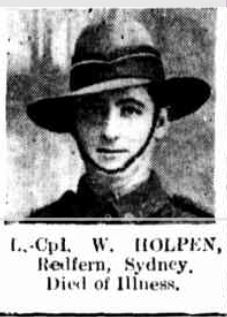
L. Cpl. W. Holpen, Redfern, Sydney. Died of Illness (Sydney Mail, 8/1/1919)

L. Cpl. W. Holpen, Redfern, Sydney. Died of Illness (Sydney Mail, 8/1/1919)

Saturday, 20 January 1917

Private Francis Albury HOLLAND  (45th Battalion) was discharged in Australia medically unfit (he had arrived back in Australia in December 1916 with epilepsy).

Monday, 22 January 1917

Reginald Henry CHAMBERLAIN re-enlisted at Victoria Barracks in Sydney.

Wednesday, 24 January 1917

Jacob Isak PALMGREN (reinforcement for the 45th Battalion) embarked from Sydney on the HMAT A68 Anchises, bound for England.

Private Percy Walter HOLPEN (46th Battalion) was admitted to the 3rd Stationery Hospital at Rouen in France wounded with a gunshot wound to his chest.

Sunday, 28 January 1917

Private Percy Walter HOLPEN (46th Battalion) was placed on a hospital ship at Le Havre for evacuation to England.

Monday, 29 January 1917

Private William SMITH (4602 Gilgandra) (reinforcements for the 30th Battalion) arrived in Devonport in England on the HMAT Beltana A72.

Private Percy Walter HOLPEN (46th Battalion) was admitted to the 1st London General Hospital.

Private James MCKEOWN (45th Battalion) was transferred from the Lewisham Military Hospital to the 3rd Australian Auxiliary Hospital at Dartford [bronchitis].

Wednesday, 31 January 1917

Private George Arthur FAWBERT re-enlisted for home service with the Headquarters Band at Liverpool Camp.
TIMELINE September 1916

TIMELINE September 1916

Sunday, 3 September 1916         

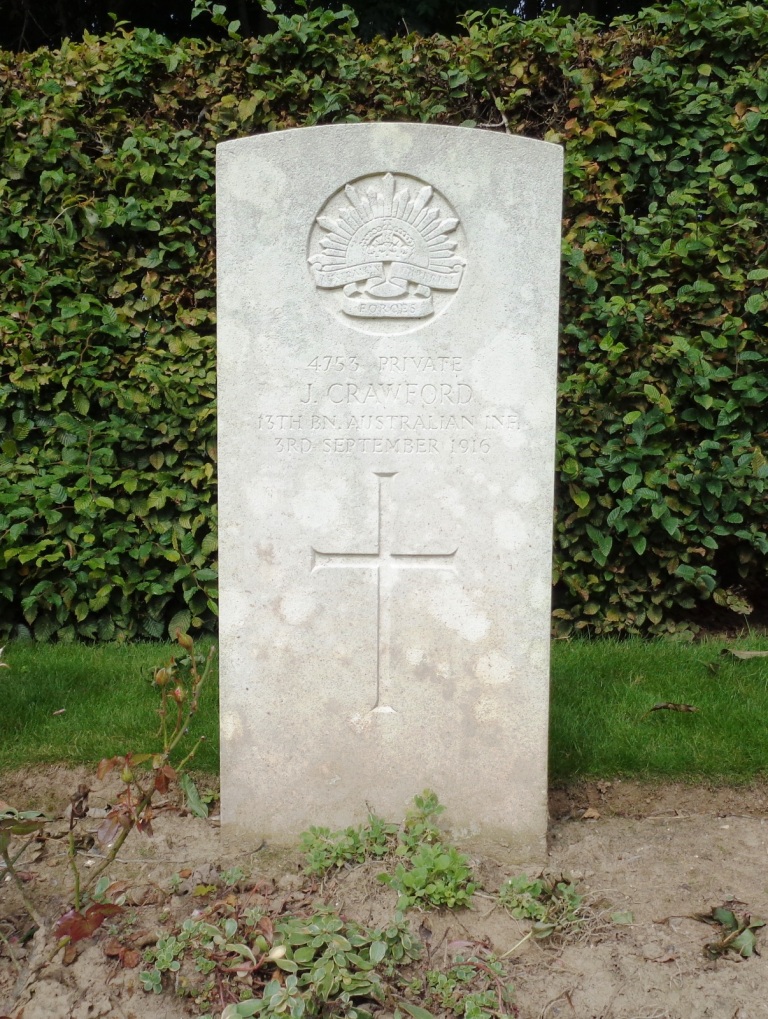
Private James CRAWFORD (13th Battalion) died of his wounds at the 49th Casualty Clearing Station near Mouqet Farm.

James Crawford's headstone, Contay British Cemetery, France (Photograph: H. Thompson 4/9/2014)

James Crawford’s headstone, Contay British Cemetery, France (Photograph: H. Thompson 4/9/2014)

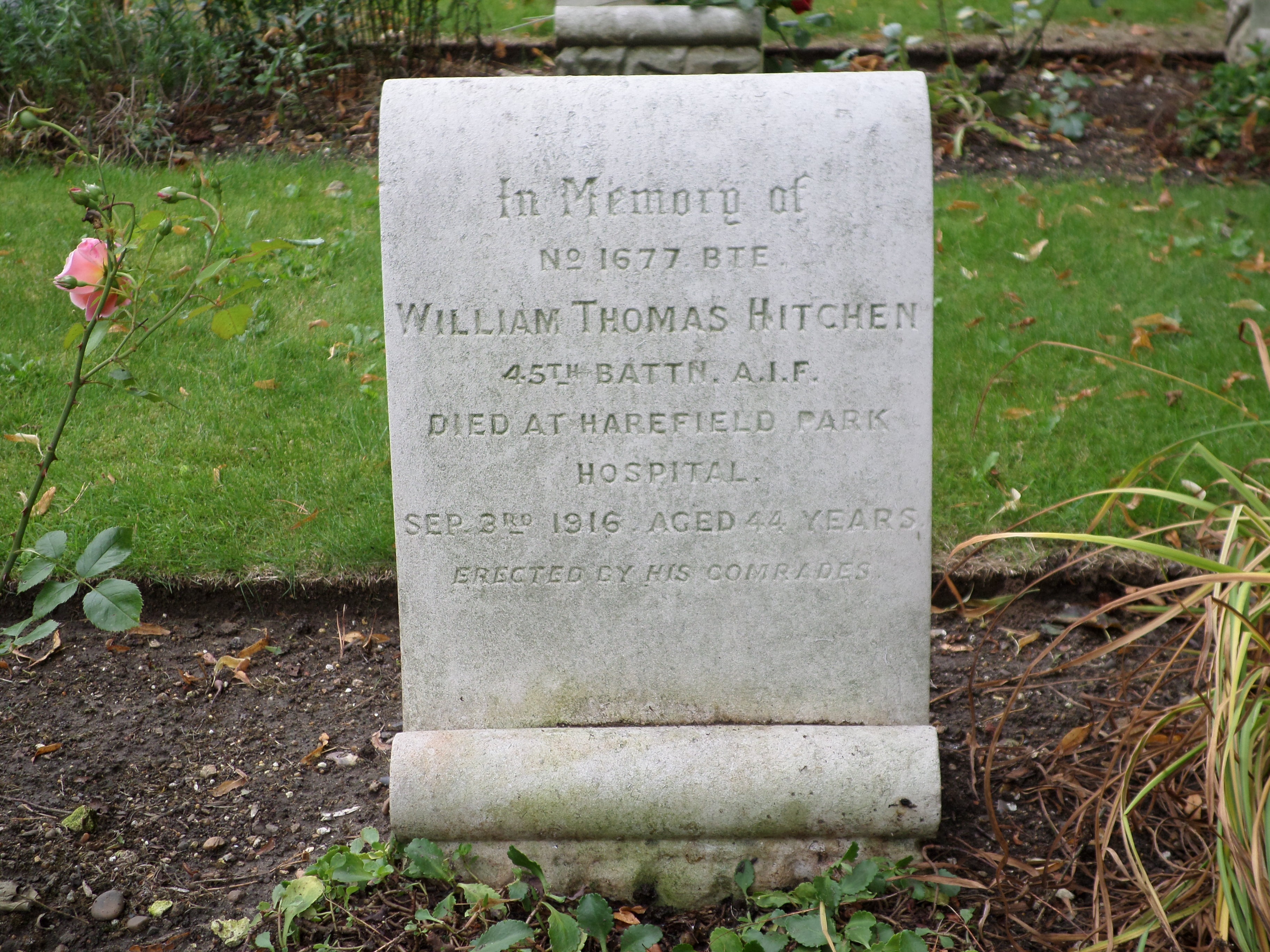
Corporal William Thomas HITCHEN died of disease at the 1st Australian Auxiliary Hospital at Harefield Park in England.

Bill Hitchen's headstone, Harefield (St. Mary) Churchyard (Photograph: S & H Thompson, 17/8/2014)

Bill Hitchen’s headstone, Harefield (St. Mary) Churchyard (Photograph: S & H Thompson, 17/8/2014)

Tuesday, 5 September 1916       

James Gerald CAMERON (45th Battalion) was promoted to Lance Corporal.

Friday, 8 September 1916           

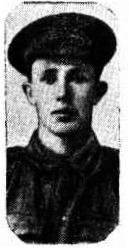
Gunner Arthur Charles REID (4th Division Medium Trench Mortar Battery) received a gunshot wound to his head in the vicinity of Bierssraat in Belgium.

 ‘Gunner A. C. Reed’, (Forbes Advocate 8/12/1916)


‘Gunner A. C. Reed’, (Forbes Advocate 8/12/1916)

Saturday, 9 September 1916      

Acting Corporal Francis Charles FINLAYSON (Parramatta Coo-ee) embarked from Sydney on HMAT A14 Euripides, as 20th reinforcement for the 13th Battalion.  With him travelled fellow Coo-ees Acting Sergeant Thomas Walter DOWD (Wongarbon Coo-ee) and Acting Sergeant Stanley Everard STEPHENS (Gilgandra Coo-ee) and Leo Ambrose STINSON (20th Battalion).  They arrived in Plymouth, England on 26 October 1916.

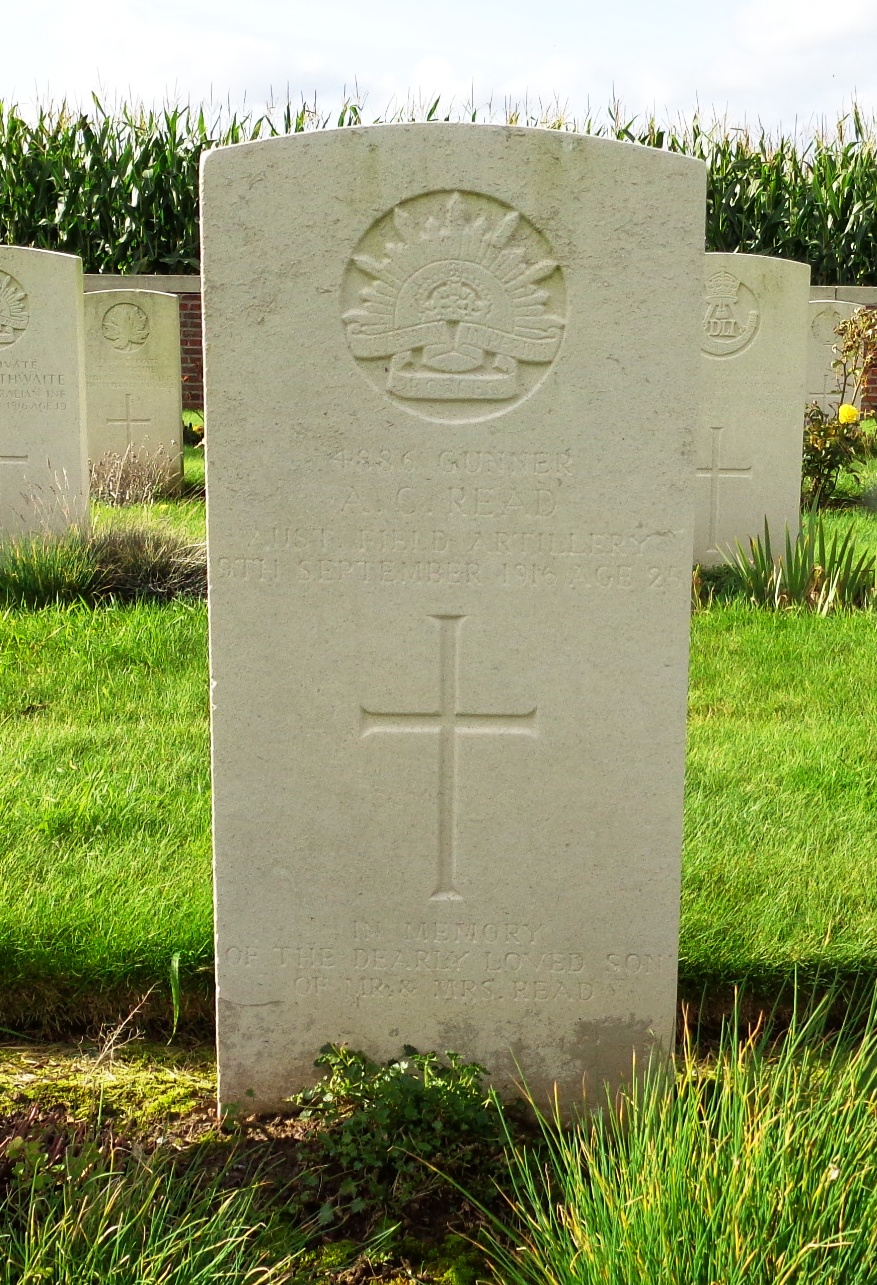
Gunner Arthur Charles REID (4th Division Medium Trench Mortar Battery) died of wounds at the 11th Canadian Field Ambulance.

Arthur Charles Reid’s headstone at La Clytte Military Cemetery, Belgium (Photograph: H. Thompson 28/8/2014) Note: The writing on the headstone is very worn. It reads: 4886 Gunner A. C. Read, Aust. Field Artillery, 9th September 1916 Age 25. In memory of the dearly loved son of Mr. & Mrs. Read

Arthur Charles Reid’s headstone at La Clytte Military Cemetery, Belgium (Photograph: H. Thompson 28/8/2014)
Note: The writing on the headstone is very worn. It reads: 4886 Gunner A. C. Read, Aust. Field Artillery, 9th September 1916 Age 25. In memory of the dearly loved son of Mr. & Mrs. Read

Wednesday, 13 September 1916             

Private Charles Edmond MARCHANT (45th Battalion) was discharged medically unfit in Australia due to injuries from his accidental gunshot wound to his left elbow in Egypt.

Tuesday, 19 September 1916     

Trooper David O’ROURKE (Wellington Coo-ee) (12th Light Horse Regiment) embarked from Melbourne on the HMAT A6 Clan Maccorquodale.

Friday, 22 September 1916         

Private Bernard COYTE (13th Battalion) embarked for France.

Private Sidney BENNETT (45th Battalion) was wounded in action with a gunshot wound to his left arm in a working party at Bierrsraat in Belgium.

Sidney Bennett (Photograph courtesy of his of his grand-daughters D. Ayers and J. Pemberton)

Sidney Bennett (Photograph courtesy of his of his grand-daughters D. Ayers and J. Pemberton)

Saturday, 23 September 1916    

Trooper William Solomon CISSMAN (Imperial Camel Corps) commenced his return to Australia on the Transport Kanowna from Port Said, Egypt.

Monday, 25 September 1916     

Richard CROCKER (Ashfield recruit) re-enlisted after being discharged after the Coo-ee March at his parent’s request due to being underage.

Tuesday, 26 September 1916     

Private Harold Roy Devlin UHR (13th Battalion) was discharged medically unfit after his return to Australia from Egypt  (the first of three enlistments).

Wednesday, 27 September 1916             

William Joseph MUNRO (13th Battalion) was reported to be a prisoner of war in Germany.

William Joseph Munro (seated), German prisoner of war (Cumberland Argus and Fruitgrowers Advocate 8/6/1918)

William Joseph Munro (seated), German prisoner of war (Cumberland Argus and Fruitgrowers Advocate 8/6/1918)

TIMELINE August 1916

TIMELINE August 1916

Tuesday, 1 August 1916

Darcy KEATING (4th Battalion) left Egypt aboard the HT Lake Manitoba, and arrived in England on 19th August 1916.

Wednesday, 2 August 1916

Frank HUMPHREY (60th Battalion) left Alexandria bound for France on the Transport Francovia.

Thursday, 3 August 1916              

Walter James GOODLET (4th Pioneer Battalion) was wounded in action at Becourt Wood in France, with a shrapnel wound to his left arm, which was later amputated.

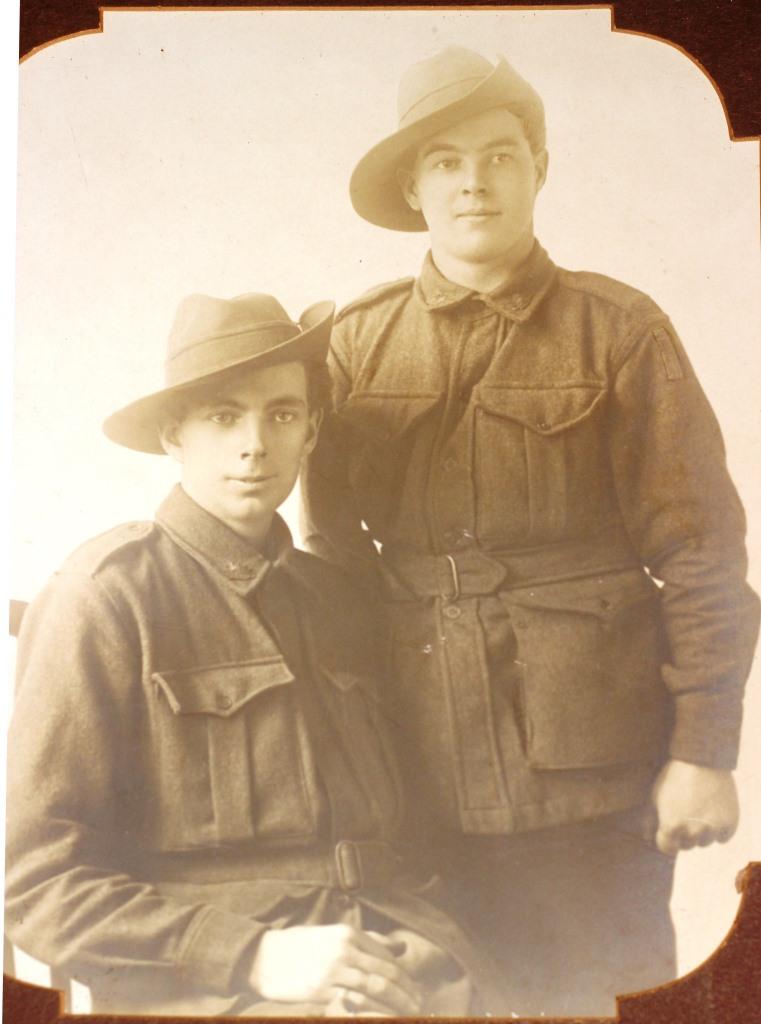
Coo-ees Walter Goodlet (left) and James Birrell Dawson (right), both amputees. Photograph courtesy of James Dawson's great grandson Jamie Stacey.

Coo-ees Walter Goodlet (left) and James Birrell Dawson (right), both amputees. Photograph courtesy of James Dawson’s great grandson Jamie Stacey.

Saturday, 5 August 1916               

Victor QUINTON (4th Pioneer Battalion) was wounded in action at Pozieres in France, and evacuated with shellshock.

Sunday, 6 August 1916  

Bernard COYTE (13th Battalion), Percy George BROWN (54th Battalion), Allan COLQUHOUN  (13th Battalion), and several other Coo-ees left Alexandria aboard RMS Megantic bound for England, arriving in England later in the month.

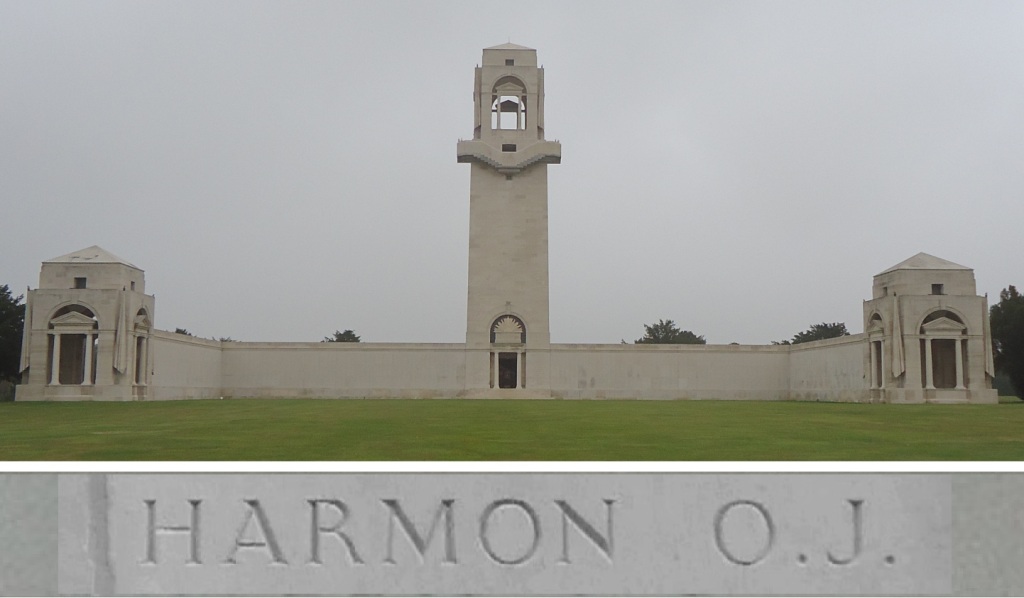
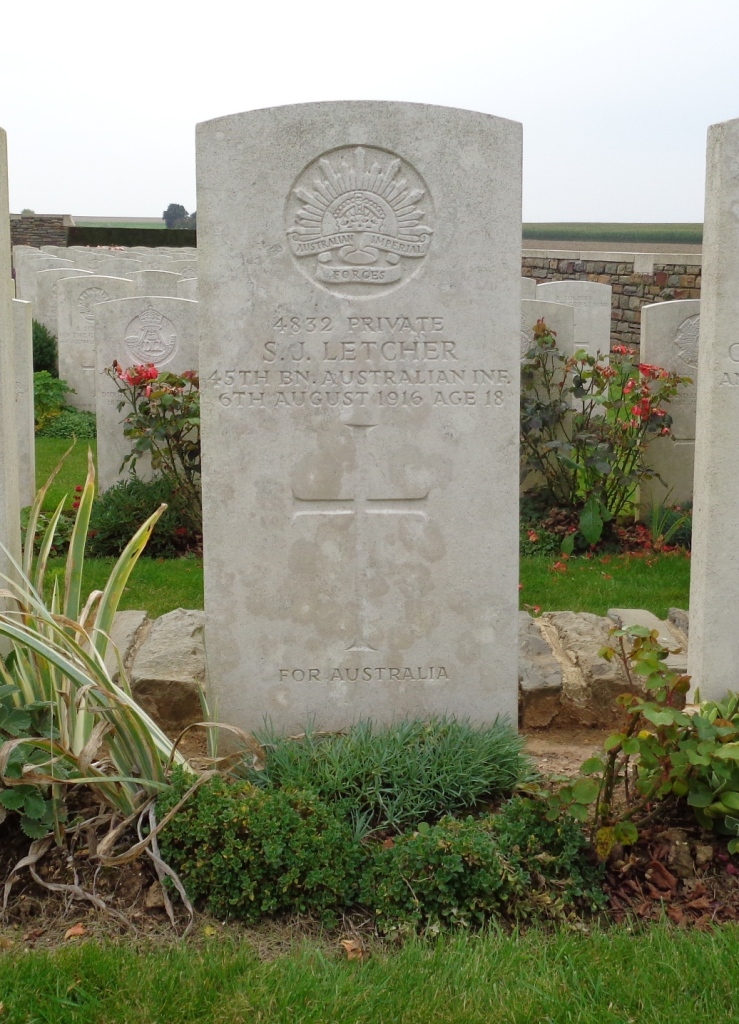
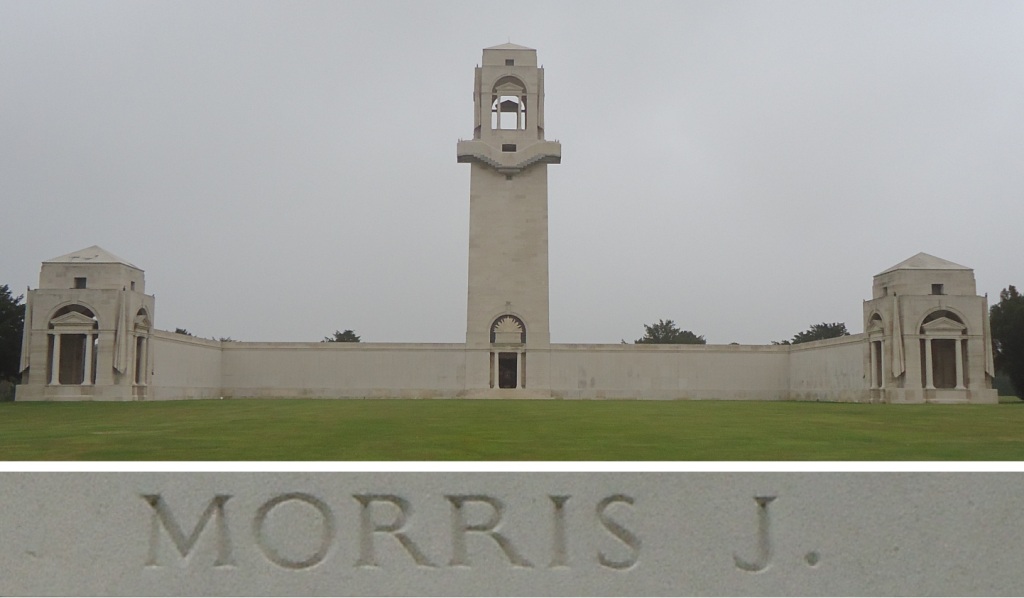
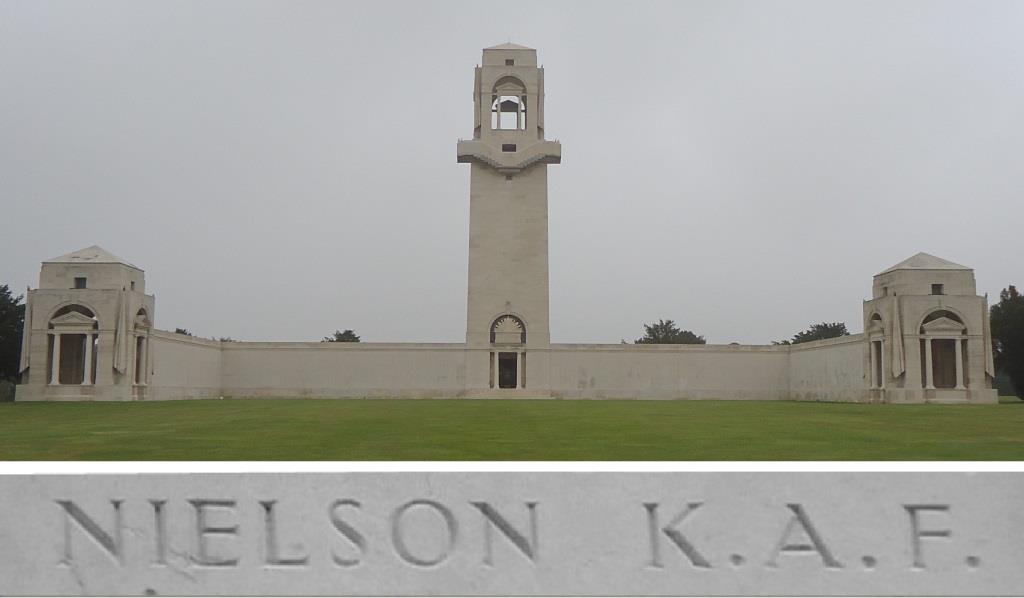
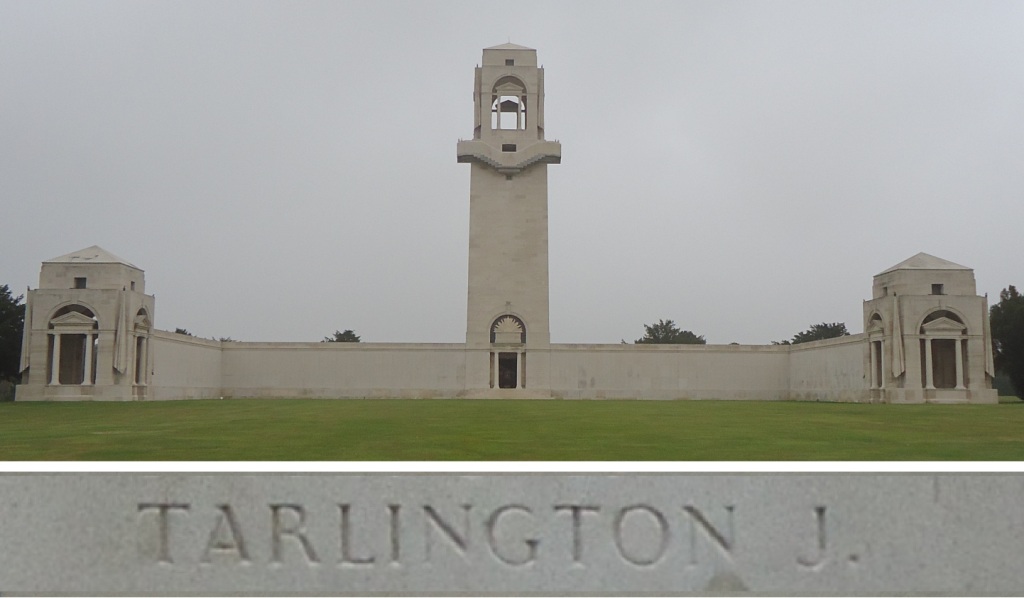
Oliver James HARMON (4th Pioneer Battalion), Spencer John LETCHER (45th Battalion), Jack MORRIS (45th Battalion), Karl Alex Frederick NIELSON (4th Pioneer Battalion),  and John TARLINGTON  (4th Pioneer Battalion) were killed in action in the Battle of Pozieres in France.

Private Harmon's name on the Villers-Bretonneux Memorial, France (Photograph: S. & H. Thompson 7/9/2014)

Private Harmon’s name on the Villers-Bretonneux Memorial, France (Photograph: S. & H. Thompson 7/9/2014)

Private S. J. Letcher's headstone at AIF Burial Ground, France (Photograph: H. Thompson 4/9/2014)

Private S. J. Letcher’s headstone at AIF Burial Ground, France (Photograph: H. Thompson 4/9/2014)

Private Morris' name on the Villers-Bretonneux Memorial, France (Photograph: S. & H. Thompson 7/9/2014)

Private Morris’ name on the Villers-Bretonneux Memorial, France (Photograph: S. & H. Thompson 7/9/2014)

Private Nielson's name on the Villers-Bretonneux Memorial, France (Photograph: S. & H. Thompson 7/9/2014)

Private Nielson’s name on the Villers-Bretonneux Memorial, France (Photograph: S. & H. Thompson 7/9/2014)

Private Tarlington's name on the Villers-Bretonneux Memorial, France (Photograph: S. & H. Thompson 7/9/2014)

Private Tarlington’s name on the Villers-Bretonneux Memorial, France (Photograph: S. & H. Thompson 7/9/2014)

William WEBBER (45th Battalion) was wounded with shellshock in the Battle of Pozieres, and sent back to the 1st Australian Rest Station. Sidney HEUSTON (45th Battalion) was wounded in action in the vicinity of Pozieres, with a gunshot wound to the right hip.

Ronald Hector PERKINS (1st Light Horse Regiment) was admitted to hospital in Ismallia, Egypt with an injury to his shoulder.

Monday, 7 August 1916

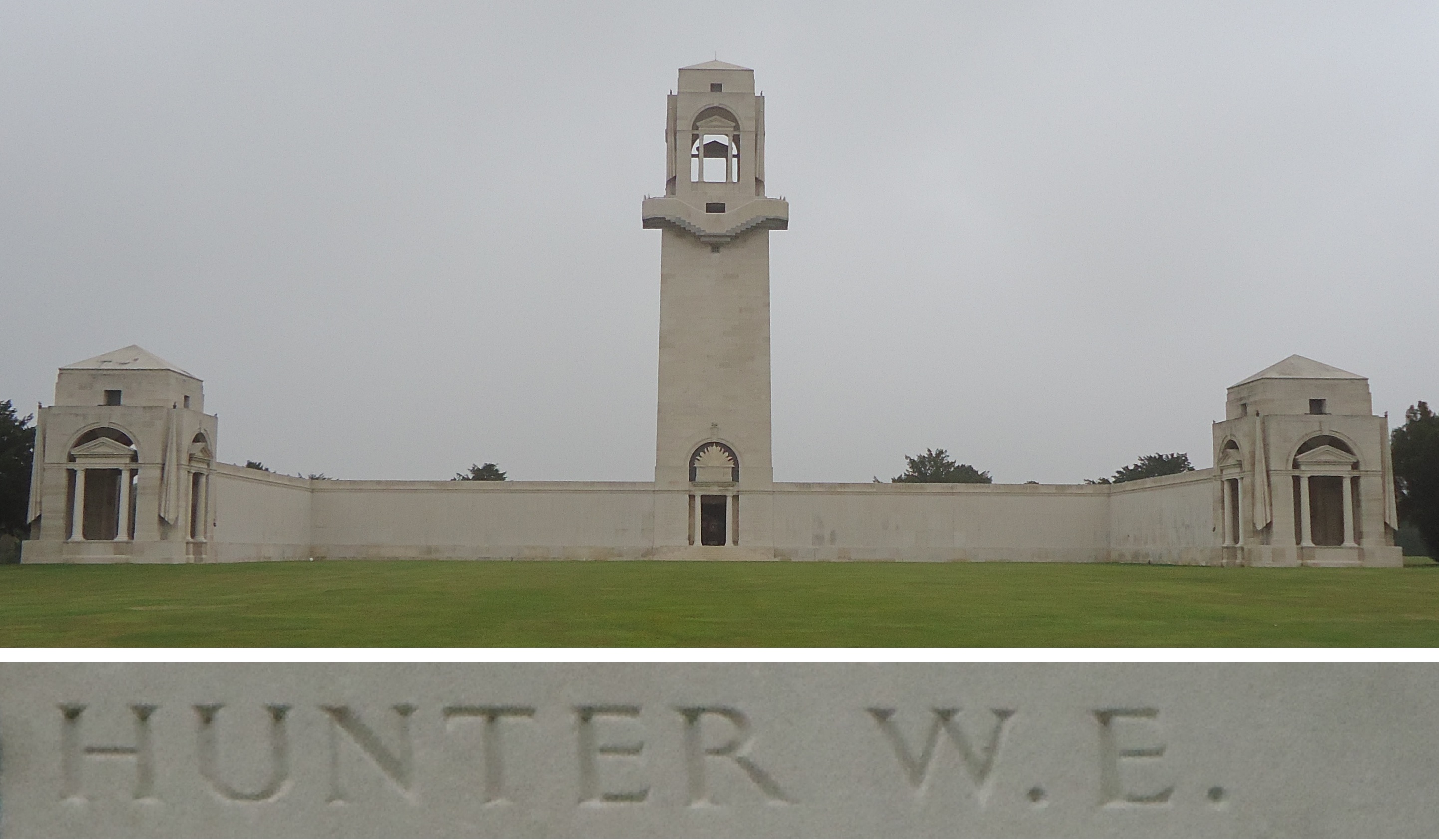
William Emerton HUNTER (45th Battalion) was killed in action during the Battle of Pozieres in France.

Private Hunter's name on the Villers-Brettoneux Memorial (Photograph: S. Thompson 7/9/2014)

Private Hunter’s name on the Villers-Brettoneux Memorial (Photograph: S. Thompson 7/9/2014)

Ernest Stephen TAYLOUR (45th Battalion) was wounded in action with shellshock in the vicinity of Pozieres.

Tuesday, 8 August 1916

Rowland John WILSON (45th Battalion) was killed in action when the 45th Battalion was holding the line between Pozieres and Martinpuich.

Private Wilson's name on the Villers-Bretonneux Memorial, France (Photograph: S. & H. Thompson 7/9/2014)

Private Wilson’s name on the Villers-Bretonneux Memorial, France (Photograph: S. & H. Thompson 7/9/2014)

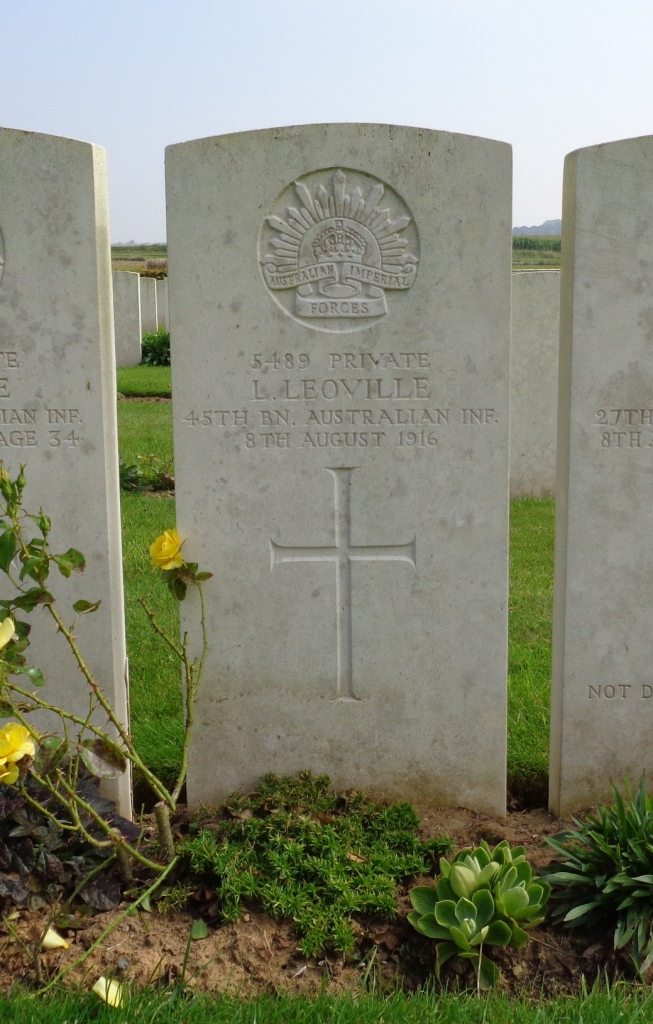
Lewis LEOVILLE (45th Battalion) died of wounds at the 13th Australian Field Ambulance in the village of Warloy in France.

Lewis Leoville's headstone at Warloy-Baillon Communal Cemetery Extension, France (Photograph: H. Thompson 4/9/2014)

Lewis Leoville’s headstone at Warloy-Baillon Communal Cemetery Extension, France (Photograph: H. Thompson 4/9/2014)

Ernest Stephen TAYLOUR (45th Battalion) George SEAMAN (45th Battalion) were both wounded in action with shellshock in the vicinity of Pozieres.  Jack WIGGINS (45th Battalion) was wounded in action in the vicinity of Pozieres with a gunshot wound to his face.

Wednesday, 9 August 1916        

Albert PEARCE (1st Battalion) and Leo Ambrose STINSON  (20th Battalion) embarked from Sydney on the HMAT A14 Euripides, and arrived in Plymouth on 26th October 1916.

Friday, 11 August 1916  

Robert HICKEY (13th Battalion) was wounded in action at Pozieres.

Saturday, 12 August 1916            

Charles CREASE (45th Battalion) was wounded in action with a shrapnel wound to his hand between Pozierres and Martinpuich.  Joseph Raymond McGUIRE (45th Battalion) received a shrapnel wound to his wrist near Pozieres.

William ALSTON (Imperial Camel Corps) embarked from Sydney on the RMS Mongolia, and arrived in Egypt on 2nd September 1916.

Monday, 14 August 1916             

William Laurence HUNT (45th Battalion) was slightly wounded in action between Pozieres and Martinpuich, France.

Wednesday, 16 August 1916      

Charles Henry HUNT (45th Battalion) was wounded in action with shellshock while the 45th Battalion was  between Pozieres and Martinpuich.

Thursday, 17 August 1916            

Alfred WARDROP was admitted to hospital in Rouen, France, with a gunshot wound to the right hand, and sent to England a few days later and admitted to the 3rd General Hospital in London for treatment.

Harold Roy Devlin UHR (13th Battalion) arrived in Australia from Port Suez on the H.T. Clan McGillivray sick with Influenza.

Saturday, 19 August 1916

Frank HUMPHREY (60th Battalion) was admitted to the No. 7 Canadian Stationary Hospital at Le Harve in France with Bacillary Dysentery.

Tuesday, 22 August 1916             

Robert Clyde CAMPBELL (13th Battalion) and two other Coo-ees embarked from Sydney on the HMAT A18 Wiltshire, bound for Plymouth in England.

Wednesday, 23 August 1916      

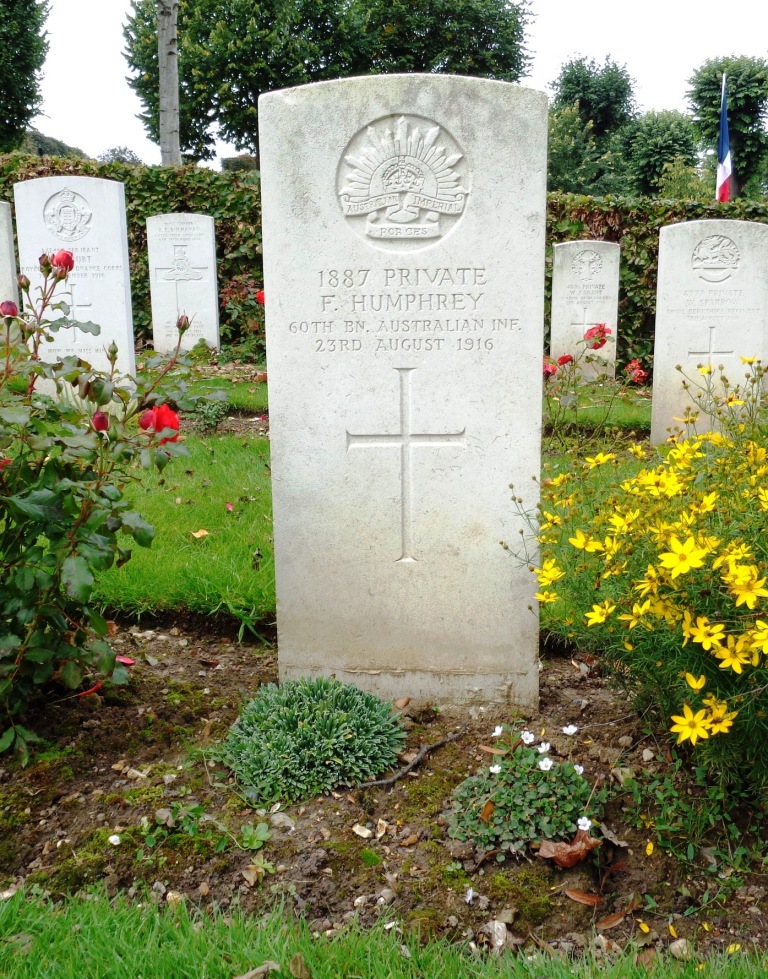
Frank HUMPHREY (60th Battalion) died of disease (Bacillary Dysentery) after being hospitalised 4 days before at the No. 7 Canadian Stationary Hospital at Le Harve, France.

Frank Humphrey's headstone at Ste. Marie Cemetery, Le Havre, France (Photograph: H. Thompson 2/9/2014)

Frank Humphrey’s headstone at Ste. Marie Cemetery, Le Havre, France (Photograph: H. Thompson 2/9/2014)

Lightfoot Lamonby HAMPSON (4th Division Ammunition Column) was evacuated sick with Influenza when the 4th Division Ammunition Column was at Acquin, France.

Thursday, 24 August 1916

Sydney CARVER (45th Battalion) was promoted to Corporal in France.

Tuesday, 29 August 1916             

During the Battle of the Somme, when the 13th Battalion was attacking Mouquet Farm, Robert AYRES (13th Battalion) was wounded in action with shellshock, and Leslie Webster GREENLEAF (13th Battalion) was wounded in action, with a gunshot wound to his right hand.

George DAVIDSON (4th Pioneer Battalion) was wounded in action in the vicinity of Avoca Valley near La Boisselle in France, with shrapnel wound to his left arm.

Wednesday, 30 August 1916      

Alan John Burnett EASTERBROOK (13th Battalion) was wounded in action with minor shrapnel wounds at Mouquet Farm. Joseph HEALEY (13th Battalion) was wounded in action in the vicinity of Mouquet Farm, and evacuated with shellshock.

William Joseph MUNRO (13th Battalion) was reported missing in action at Mouquet Farm, and was later reported as being captured as a prisoner of war.

William Joseph Munro (seated), German prisoner of war (Cumberland Argus and Fruitgrowers Advocate 8/6/1918)

William Joseph Munro (seated), German prisoner of war (Cumberland Argus and Fruitgrowers Advocate 8/6/1918)

George EWENS (45th Battalion) was wounded in action with a gunshot wound to his leg and back in the vicinity of Mouquet Farm.

Arthur CUMMINGS (1st Battalion) who had embarked from Sydney on the HMAT A18 Wiltshire on 22nd August 1916 disembarked at Freemantle in Western Australia sick.

Thursday, 31 August 1916            

James CRAWFORD (13th Battalion) received a gunshot wound to his back while the 13th Battalion was being relieved from the vicinity of Mouquet Farm, and was evacuated to the 49th Casualty Clearing Station.

TIMELINE July 1916

TIMELINE July 1916

Saturday, 1 July 1916

William Allan Luther PHILPOTT was wounded in action with shellshock during a German bombardment when the 13th Battalion was manning the front line at White City post in the vicinity of Bois-Grenier in France.

Wednesday, 5 July 1916

Charles Edmond MARCHANT commenced his return to Australia from Egpyt on the Hospital Ship Karoola.

Thursday, 6 July 1916

David James WAGNER was wounded in action with a gunsot wound to his chest while he was with the 45th Battalion when it was manning the front line in the vicinity of Sailly Sur La Lys, France.

David James Wagner (Photograph courtesy of his grand-daughter Anne Dollin)

David James Wagner (Photograph courtesy of his grand-daughter Anne Dollin)

Saturday, 8 July 1916

William ALSTON and Henry John KING embarked from Sydney on the RMS Mongolia.

John Edward Leslie HOURIGAN was wounded in action with a severe gunshot wound to the scalp when the 45th Battalion was in the front line in the vicinity of Fleurbaix, France.

Corporal J. E. L. Hourigan (Cumberland Argus and Fruitgrowers Advocate 12/8/1916)

Corporal J. E. L. Hourigan (Cumberland Argus and Fruitgrowers Advocate 12/8/1916)

Monday, 10 July 1916

Harold Roy Devlin UHR commenced his return to Australia from Port Suez on the H.T. Clan McGillivray sick with Influenza – he later reenlisted.

Arthur Ernest MCGREGOR departed Egypt on the transport Tunisian and arrived in Marseilles on 16th July 1916.

Wednesday, 19 July 1916 and Thursday, 20 July 1916

Charles William Gordon CONROY and Joseph Patrick WALLIS (Wailes), both in the 54th Battalion, were killed in action during the Battle of Fromelles on the night of 19/20 July 1916.

"CONROY C W" name on V. C. Corner Cemetery and Memorial (Photograph: S & H Thompson, 1/9/2014)

“CONROY C W” name on V. C. Corner Cemetery and Memorial (Photograph: S & H Thompson, 1/9/2014)

Joseph Patrick Wallis headstone at Fromelles (Pheseant Wood) Military Cemetery, France (Photograph S & H Thompson 2012)

Joseph Patrick Wallis headstone at Fromelles (Pheseant Wood) Military Cemetery, France (Photograph S & H Thompson 2012)


Joseph ARMSTRONG (54th Battalion) and Donald Singleton STEWART (54th Battalion) were captured as prisoners of war during the Battle of Fromelles. Donald Stewart wrote home about his experience in this battle, and being taken as a prisoner of war, in a letter dated 12th August 1916: “I was captured on the 20th July. We went into the trenches a couple of days before I was caught. We had a big charge on the 19th, and had very heavy losses. Out of about six of my section who tried to get out of a tight hole two of us got out alive, and God only knows how I got out of it. We are being treated as well as can be expected in the camp we are in …” Click here to read the letter:

Photograph of Donald Stewart. (Photograph courtesy of his daughter Norma Stewart).

Donald Stewart. (Photograph courtesy of his daughter Norma Stewart).

Henry James Naughton BLAKEMAN (54th Battalion) was wounded in action with a gunshot wound to his thigh on 19th/20th July 1916 during the Battle of Fromelles. James Birrell DAWSON (54th Battalion) was wounded in action on 19th/20th July 1916 during the Battle of Fromelles with a gunshot wound to his right forearm which was later amputated.  William Charles WALKER (54th Battalion) was wounded in action on 19th/20th July 1916 during the Battle of Fromelles with a shrapnel wound to his right arm.

Tuesday, 25 July 1916

Harry DAVENPORT (aka Harry SWENDSON) was appointed a Second Lieutenant following training at the A.I.F. Officers Training School at Duntroon.

Saturday, 29 July 1916

Walter Cavill and William Sidney LOVETT embarked from Sydney on the HMAT A67 Orsova, and  arrived in Portsmouth England on 14th September 1916.

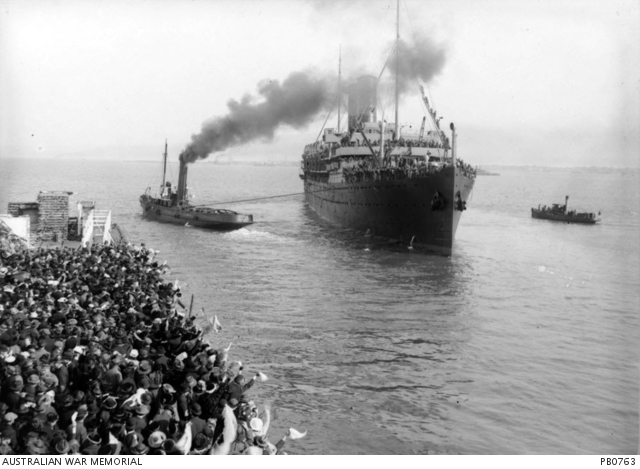
HMAT Orsova A67 leaving Melbourne 1 August 1916. Part of the Australian War Memorial collection. PB0663.

HMAT A67 Orsova leaving Melbourne 1 August 1916. Part of the Australian War Memorial collection. PB0663.


New WWI Timeline webpage

New WWI Timeline page

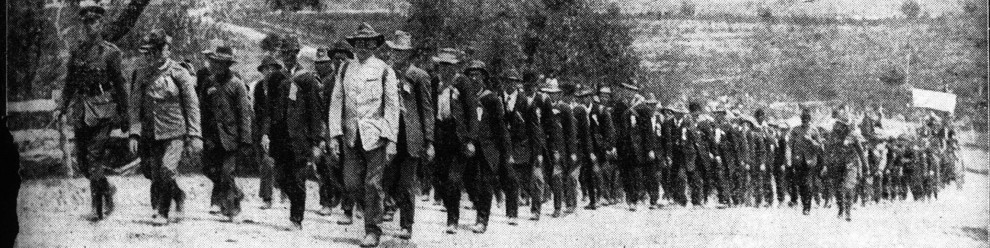
The story of the Coo-ees did not finish with their arrival in Sydney on 12th November 1915 at the end of the Coo-ee March.

One hundred years ago today, on 16th February 1916, the first group of fifteen Coo-ees embarked overseas on active service from Sydney, on the HMAT Ballarat A70.

Stephen and I plan to provide an overview of the Coo-ees’ involvement in the First World War on a WWI Timeline on this website.

We have spent the past few weeks collating the information we have collected on the Coo-ees to create a timeline of their involvement in WWI – what ships they embarked on from Australia to travel to Egypt or England, and for most, on to France to the Western Front, and the dates for those who were casualties. We are also gathering information for other significant events in their service, including information about those Coo-ees who received military awards for their actions.

We plan to tie these details in to the progress of the First World War in the Timeline.

Each month from February 2016 until the end of the centenary of WWI I aim to write a blog entry containing details for what happened regarding the Coo-ees for that month one hundred years’ previously, and add the entry’s details to the new WWI Timeline webpage at https://cooeemarch1915.com/wwi-timeline

Where names of the Coo-ees are listed in entries, their names will have hyperlinks to their individual records that I have written to date, for further information about each Coo-ee. (For those Coo-ees where I have not yet added an individual entry, I will update the Timeline with the hyperlink for each mention of their name after I complete their entry).

I will also from time to time add names for further Coo-ees to entries, and/or update other information on the WWI Timeline webpage.

For some entries, I will add hyperlinks to letters from the Coo-ees, or newspaper articles, which relate to that particular event or person, or add quotes to the Timeline from these letters and articles, or other sources.

Information will start being added to the WWI Timeline webpage in the next few days…